
Affordable and Clean Energy
- Home
- Affordable and Clean Energy
Affordable and Clean Energy
Introduction
Sustainable Development Goal 7 (SDG 7) aims to ensure access to affordable, reliable, sustainable, and modern energy for all by 2030. This goal focuses on expanding renewable energy sources, improving energy efficiency, and promoting the use of cleaner technologies in both developing and developed regions.
SDG 7 emphasizes the importance of providing electricity and clean cooking solutions to communities without access to energy, particularly in rural and remote areas. Transitioning to renewable energy sources like solar, wind, and hydropower is crucial to reduce greenhouse gas emissions and mitigate climate change.
Read More
Achieving this goal requires investments in infrastructure, technology, and innovation to ensure that energy is both affordable and sustainable. SDG 7 is critical for advancing economic growth, reducing poverty, and improving health by providing cleaner alternatives to traditional energy sources like firewood and coal. It is essential for a sustainable, equitable future for all.
Solar Energy Harvesting Panels
Methane and carbon dioxide are the main components of biogas, a renewable energy source. It is created as a result of organic stuff decomposing. These gases are produced when microorganisms break down plant or animal waste in the absence of oxygen. Biogas is primarily methane (CH4) and carbon dioxide (CO2) and may have small amounts of hydrogen sulfide (H2S), moisture and siloxanes. The gases methane, hydrogen, and carbon monoxide (CO) can be combusted or oxidized with oxygen. This energy release allows biogas to be used as a fuel and it can be used in fuel cells and for any heating purpose, such as cooking. We use plant and food wastes at SPIHER, and these wastes are transferred to a biogas facility where they decompose and are turned into renewable fuel. This fuel is provided to the mess in our campus and the hostel kitchen for use.
SENSOR BASED ENERGY CONSERVATION
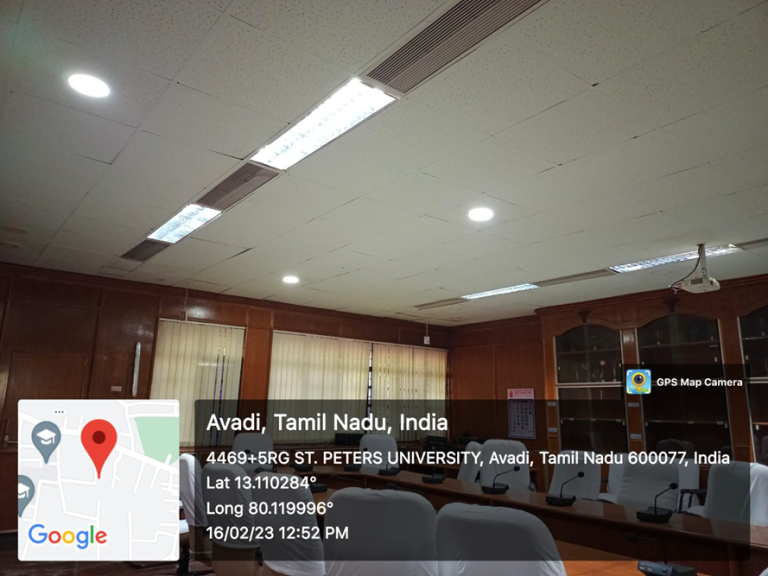
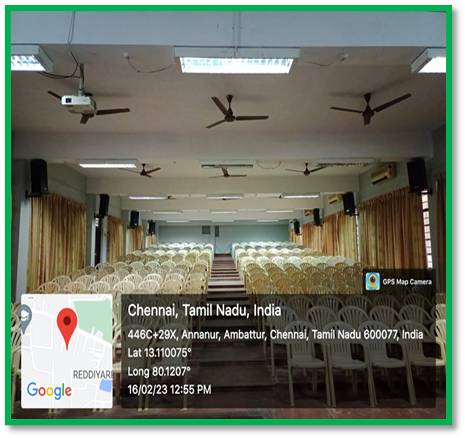
Sensor based equipments helps us to conserve energy and is widely used in office automation in recent days. SPIHER has made a commitment to implement sensor based technology like motion sensor LED bulbs and tubelights lavishly in its campus. Around 100 motion sensor based LED lights are placed in prominents places like floor corridors, Seminar halls, conference halls, hostel and toilet. Sensor based lights saves energy by automatically putting off the lights when not in use. Apart from this, sensor based handwash facility is also used in the campus to conserve water usage.
SPIHER’s Initiative for Advancing Affordable and Clean Energy
SDG 7 aims to ensure access to affordable, reliable, and sustainable energy for all, focusing on universal access to electricity and clean cooking solutions, increasing the use of renewable energy, and improving the energy efficiency of existing systems with minimal environmental impact and cost-effectiveness. As the seventh of the United Nations’ Sustainable Development Goals (SDGs), it addresses critical issues such as energy poverty and environmental degradation. SDG 7 is particularly relevant for engineering colleges, as it aligns with their technical and innovative focus, offering an opportunity to develop solutions that promote sustainable energy practices, advance renewable technologies, and enhance energy efficiency. By engaging with SDG 7, engineering institutions can play a pivotal role in shaping the future of energy systems and contributing to a more sustainable and equitable world.Top of FormBottom of Form
Pioneering Technological Advancements in Clean Energy
SPIHER is at the forefront of developing cutting-edge technologies, with a strong focus on SDG 7, which advocates for affordable, reliable, and sustainable energy access. Achieving this goal demands innovation in renewable energy sources, energy storage, grid systems, and energy efficiency. By prioritizing these areas, SPIHER provides engineering students with real-world challenges that inspire them to innovate and create impactful clean energy solutions, preparing them to lead in the transition to a sustainable energy future.
Preparing Future Leaders for Sustainable Energy Solutions
SPIHER students are poised to become future leaders and decision-makers in industries with substantial environmental impacts. By prioritizing SDG 7, we equip our students with a mind-set focused on sustainability, responsible energy use, and minimizing environmental impact, preparing them to take on these critical roles with a commitment to a more sustainable future.
Research Opportunities in Renewable Energy
SPIHER often engage in research, and SDG 7 encourages research in renewable energy technologies like solar, wind, geothermal, and bioenergy. Institutions that focus on SDG 7 can attract funding for clean energy research, which in turn provides students with hands-on experience in cutting-edge fields.
Addressing Global Challenges and Social Responsibility through Policy
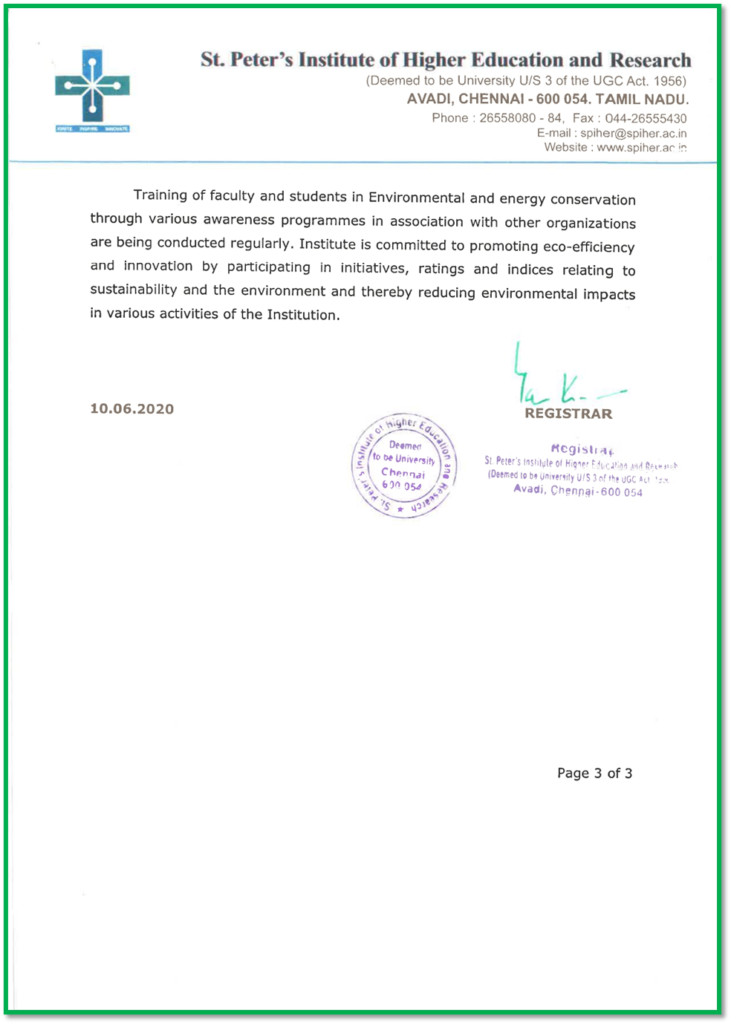
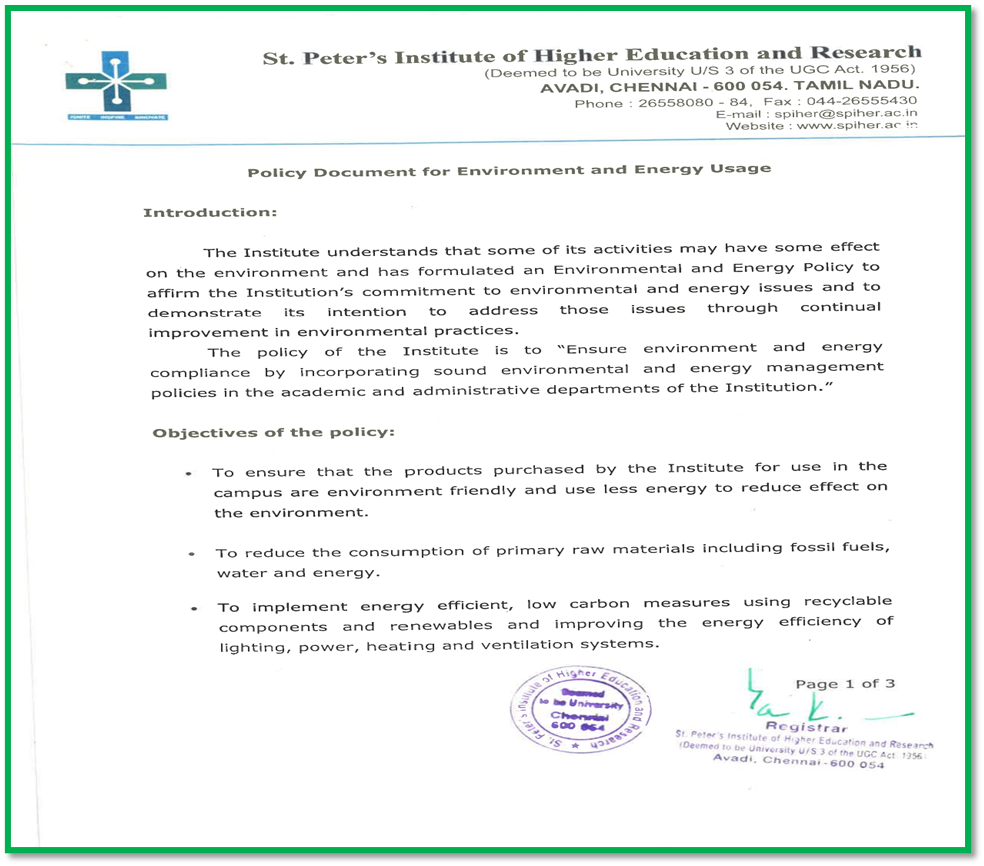
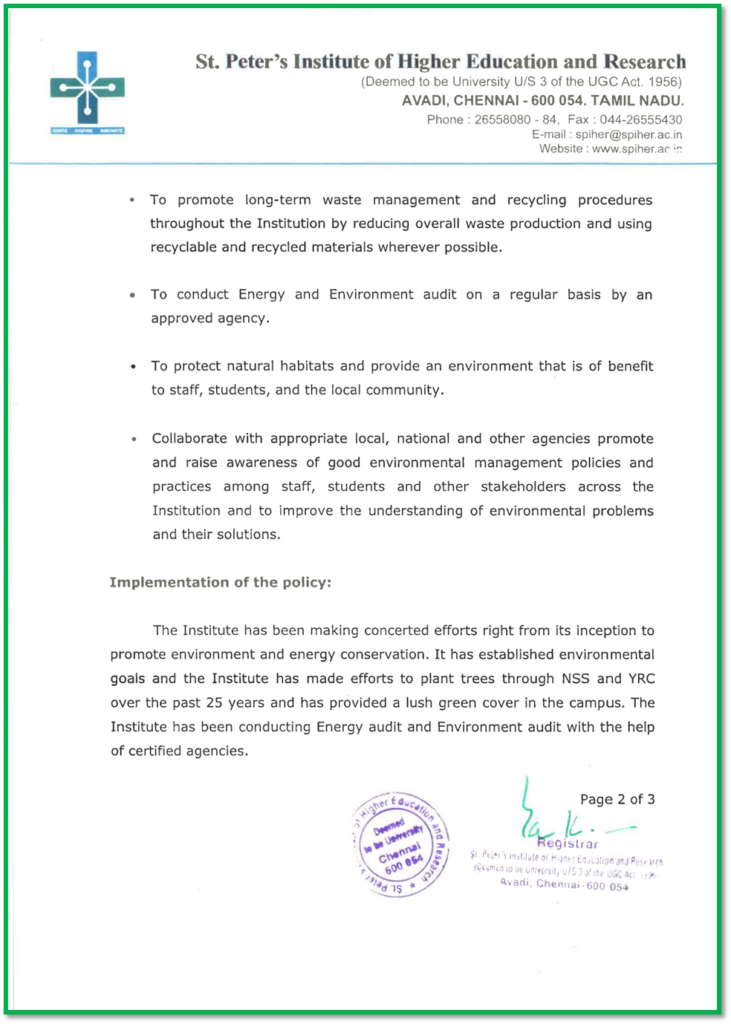
SDG 7 highlights the critical need for universal access to energy, a pressing global challenge. At SPIHER, we emphasize the importance of SDG 7 to instill a sense of social responsibility in our students, encouraging them to develop solutions for providing clean and affordable energy, particularly in underdeveloped regions where energy poverty poses a significant barrier to progress. Additionally, SPIHER has designed a comprehensive policy document to guide sustainable environmental practices and energy usage, reinforcing our commitment to a greener, more equitable future.
Enhancing Employability in Emerging Sectors
With the global shift toward sustainability, companies are increasingly seeking engineers with expertise in clean energy technologies. To meet this demand, SPIHER integrates SDG 7-related topics into its curricula, equipping students with the knowledge and skills needed to excel in fields such as renewable energy, energy management, and environmental science. This alignment not only enhances students’ employability but also contributes to the advancement of both SDG 7 (Affordable and Clean Energy) and SDG 13 (Climate Action), preparing them to play a key role in the transition to a sustainable future.
Promoting Sustainable Campus Operations
At SPIHER, we can model SDG 7 by transforming our campus into a showcase of energy efficiency and sustainability. By implementing clean energy solutions like solar panels, energy-efficient lighting, and waste heat recovery systems, we can demonstrate the practical application of SDG 7 principles, providing students with a living example of sustainable practices in action. This hands-on approach not only enhances learning but also reinforces our commitment to a sustainable future.7. Interdisciplinary Collaboration and Learning
Addressing the challenges of SDG 7 requires collaboration across disciplines like electrical engineering, mechanical engineering, environmental science, and economics. Engineering colleges focused on SDG 7 encourage interdisciplinary learning, which is vital for holistic problem-solving in sustainable energy.
List of Publications
Arunkumar Jayakumar, Vengatesan, Shanmugam, Sundar Pethiah. “Sustainable Energy (SDG-7), Economic Implications (SDG-8) and Climate Action (SDG-13): A Cross-Linked SDG Assessment In the Transition to Green Hydrogen” (Communicated)
Vengatesan, S., Jayakumar, A., & Sadasivuni, K. K. (2024). FCEV vs. BEV—A short overview on identifying the key contributors to affordable & clean energy (SDG-7). Energy Strategy Reviews, 53, 101380.
Granted Patents (SDG-7)
SDG 7 highlights the critical need for universal access to energy, a pressing global challenge. At SPIHER, we emphasize the importance of SDG 7 to instill a sense of social responsibility in our students, encouraging them to develop solutions for providing clean and affordable energy, particularly in underdeveloped regions where energy poverty poses a significant barrier to progress. Additionally, SPIHER has designed a comprehensive policy document to guide sustainable environmental practices and energy usage, reinforcing our commitment to a greener, more equitable future.
Energy-efficient renovation and building
Newly constructed central library building is energy efficient SPIHER university newly constructed building standards and practices to develop energy -efficient and sustainable buildings, which can significantly reduce energy consumption to promote clean energy. The Indian Green Building Council (IGBC) created the GRIHA (Green assessment for Integrated Habitat Assessment) assessment system to evaluate all Indian buildings’ environmental performance.
SPIHER newly proposed buildings are certified by GRIHA in the case of a university building means that the structure uses sustainable features and adheres to environmentally conscious practices. GRIHA places emphasis on a number of important elements. In order to minimize energy usage, the building should include energy-efficient technology like insulation, solar panels, and energy-efficient lighting systems.
Read More
At SPIHER we continuously monitor the Energy consumption and subsequently incorporated various and conservation strategy, we constantly evaluate how we consume energy and look for areas where we can improve. Through energy-efficient practises in campus operations, this aids in the optimisation and wise use of energy. We’re dedicated to moving towards clean and green energy initiatives. With the assistance of university management, strategic activities have been launched to transition to “clean power” and lessen reliance on “fossil fuels” in order to accomplish. Selected hostels now have solar water heaters and a Bio-gas system to cook the food.
Local community outreach for energy efficiency
Several academic and extra-curricular activity provided for energy efficiency
The curriculum and courses at universities cover topics including renewable energy, energy efficiency, and sustainable development. Students benefit from these classes by learning about clean energy technology, regulatory frameworks, and energy efficiency. Numerous courses on alternative and innovative energy sources are available at the institution. The Fundamentals of Renewable Energy Sources, offered by the SPIHER, focuses on the need of comprehending the renewable economy and its significance as a substitute energy sources. Courses like energy conversion technologies and energy management, Environmental Science are offered by the School of Basic Sciences and Research, Solar energy and green energy studies. Undergraduate students are offered compulsory courses, such as Environmental Science and green energy technologies. The collaboration project with local govt. provides extra opportunity in outreach of energy efficiency
Events organised by university to provide awareness of energy
SPIHER’s energy awareness initiatives include the following essential elements:
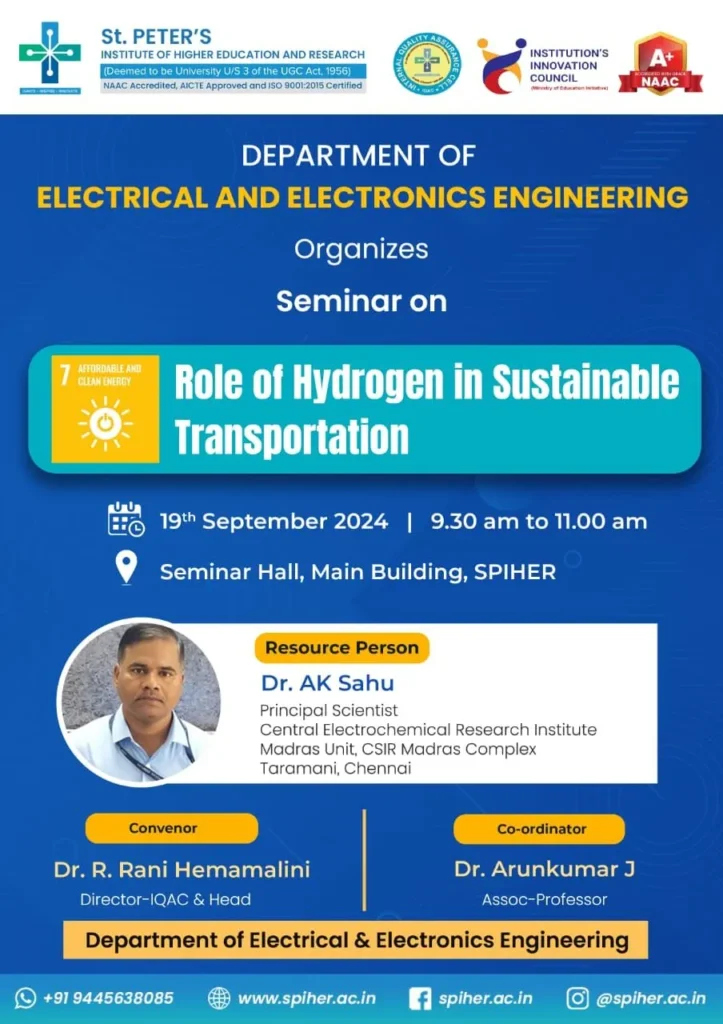
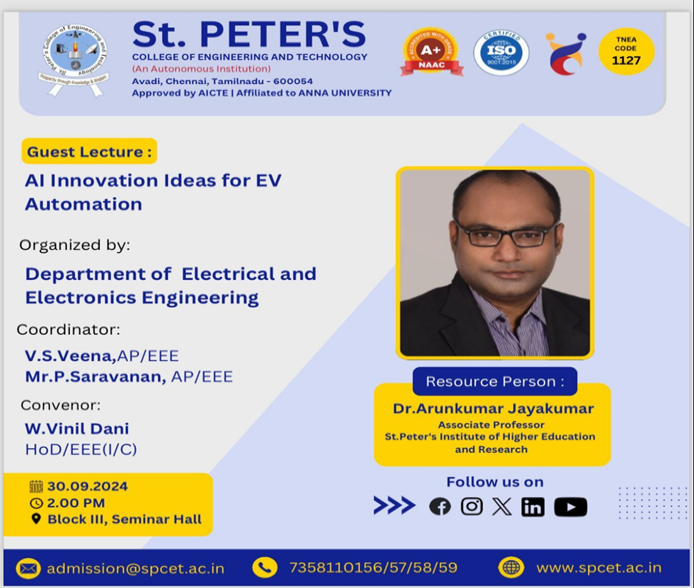
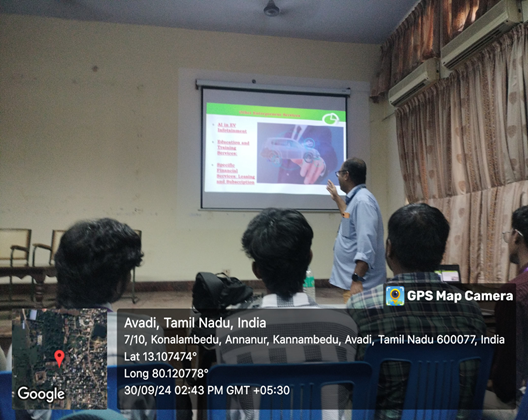
Workshops: Hold seminar, workshops, and training sessions on sustainable/renewable energy sources, and energy-saving methods. Request lectures from specialists on subjects pertaining to sustainability and energy efficiency. On Sep-19, 2024 Dr. AK. Sahu, of CSIR-CECRI delivered a seminar on “Role of Hydrogen in Sustainable Transportation-SDG-7”
LED BULBS POWER EFFICIENT EQUIPMENT
A rising number of commercial and residential products, as well as appliances, have LED illumination. LED technology has advanced quickly, which has expanded product availability, enhanced manufacturing effectiveness, and reduced pricing. LED lights may now affordably and efficiently replace nearly 100 Watt incandescent bulbs thanks to advancements in performance and falling prices. SPIHER has installed many number of LED lights around the campus as a source of energy conservation.
Several Key reasons why SDG 7 is crucial for engineering colleges
Driving Technological Innovation in Clean Energy
Engineering colleges are at the forefront of developing new technologies. SDG 7 promotes affordable, reliable, and sustainable energy access, which requires innovation in renewable energy sources, energy storage, grid systems, and energy efficiency. This focus provides engineering students with real-world challenges that encourage them to innovate and develop clean energy solutions.
Preparing Future Leaders for Sustainable Energy Solutions
Engineering students will become future leaders and decision-makers in industries that have significant environmental impacts. By emphasizing SDG 7, engineering colleges prepare students to approach these roles with a mindset oriented toward sustainability, responsible energy use, and environmental impact.
Research Opportunities in Renewable Energy
Engineering colleges often engage in research, and SDG 7 encourages research in renewable energy technologies like solar, wind, geothermal, and bioenergy. Institutions that focus on SDG 7 can attract funding for clean energy research, which in turn provides students with hands-on experience in cutting-edge fields.
Addressing Global Challenges and Social Responsibility
SDG 7 highlights the need for universal access to energy, which is a pressing global challenge. Engineering colleges that emphasize SDG 7 help instill a sense of social responsibility in students, encouraging them to work on solutions for providing clean and affordable energy, especially in underdeveloped regions where energy poverty is a significant barrier to development.
Enhancing Employability in Emerging Sectors
With the global shift toward sustainable practices, companies increasingly seek engineers skilled in clean energy technologies. Engineering colleges that integrate SDG 7-related topics into their curricula make their students more employable in fields like renewable energy, energy efficiency, and green infrastructure.
Promoting Sustainable Campus Operations
Engineering colleges can model SDG 7 by making their campuses more energy-efficient and sustainable. By implementing clean energy solutions like solar panels, energy-efficient lighting, and waste heat recovery systems, colleges can demonstrate the real-world application of SDG 7 principles, providing a living example for students.
Interdisciplinary Collaboration and Learning
Addressing the challenges of SDG 7 requires collaboration across disciplines like electrical engineering, mechanical engineering, environmental science, and economics. Engineering colleges focused on SDG 7 encourage interdisciplinary learning, which is vital for holistic problem-solving in sustainable energy.
By integrating SDG 7 into their educational and research efforts, engineering colleges can play a pivotal role in advancing clean energy technologies, preparing responsible engineers, and contributing to a sustainable future.