No Poverty
- Home
- No Poverty
No Poverty
Introduction
Read More
SPIHER’s Commitment to SDG 1: No Poverty
St. Peter’s Institute of Higher Education and Research (SPIHER) is dedicated to advancing Sustainable Development Goal 1 (SDG 1): No Poverty, by implementing initiatives that promote sustainable development, improve livelihoods, and empower marginalized communities. Through academic programs, community outreach, and partnerships, SPIHER is working towards a world where poverty is eradicated and opportunities for prosperity are accessible to all.
1.Social Business and Entrepreneurship Development
A key focus of SPIHER’s strategy for poverty alleviation is social business – businesses that address social challenges while remaining financially sustainable. SPIHER integrates social entrepreneurship into its academic offerings, equipping students with the skills to launch businesses that solve issues like healthcare, education, and sanitation. By fostering a new generation of socially conscious entrepreneurs, SPIHER contributes to economic growth while targeting poverty-related problems.
SPIHER also promotes action research and business design labs where students collaborate with local communities and entrepreneurs to develop practical business models aimed at reducing poverty. These programs not only teach business skills but also emphasize the role of enterprises in social change
2. Health Awareness and Community Outreach
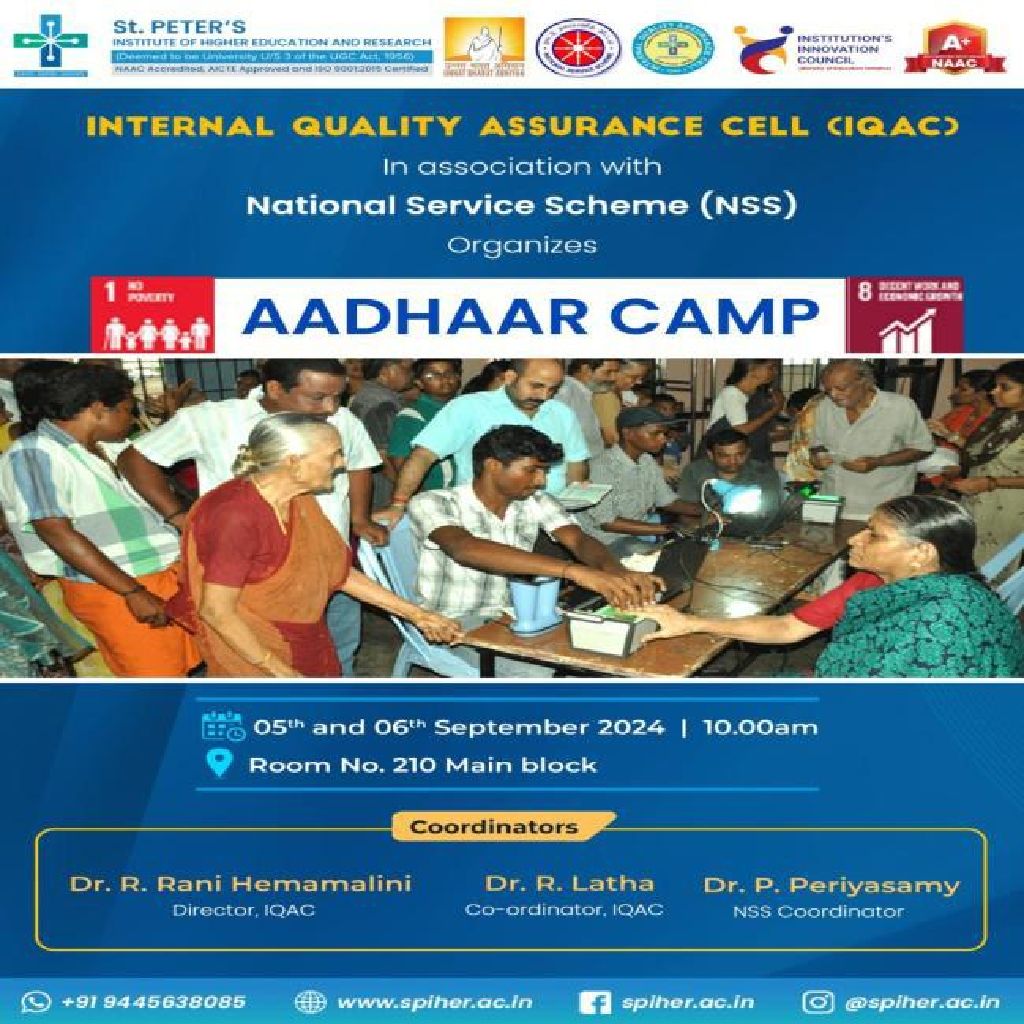
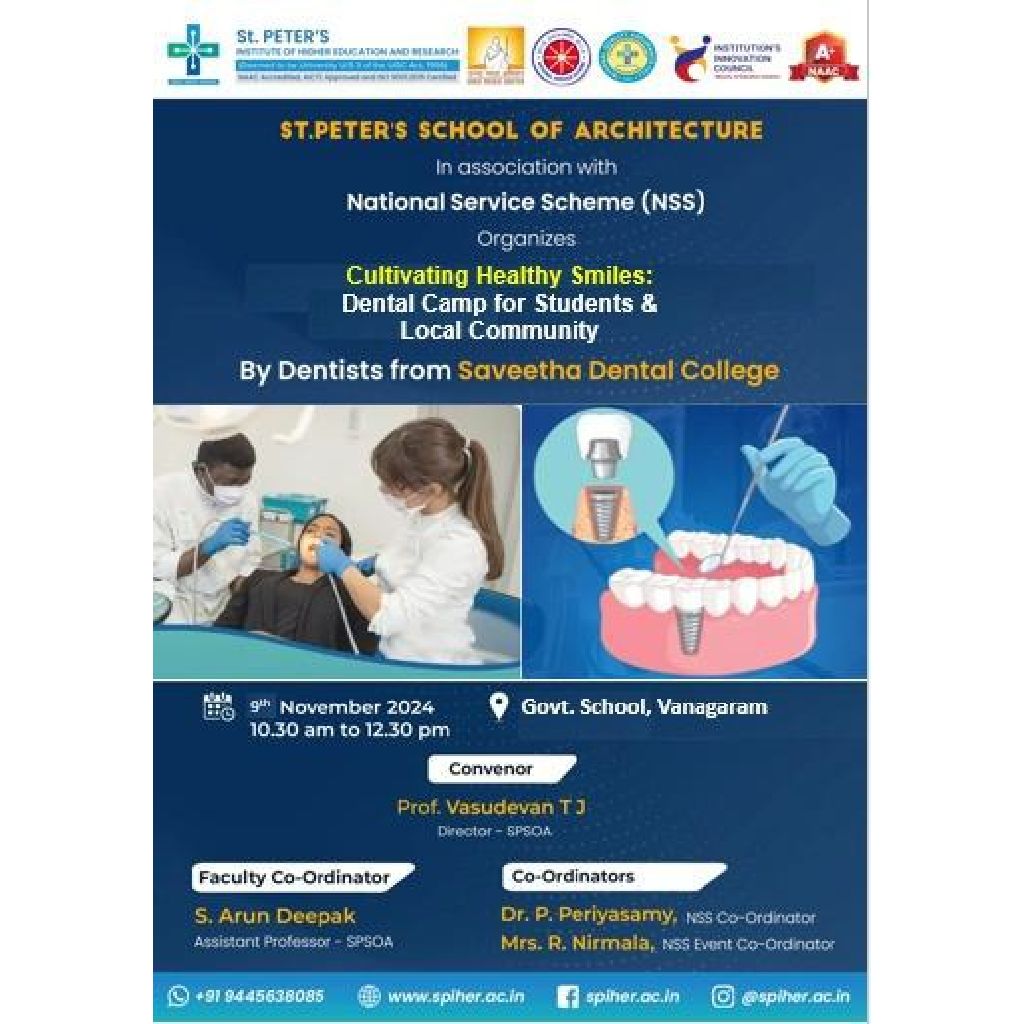
SPIHER’s commitment to addressing the health dimensions of poverty is demonstrated through its partnerships with NGOs such as the Penn Nalam Hospital And Aan Nalam. Through this collaboration, SPIHER organizes health awareness campaigns and health camps in rural areas to educate communities about disease prevention, sanitation, and nutrition. These initiatives provide health screenings and referrals to ensure individuals can access necessary medical care. In addition to health camps, SPIHER organizes Health Chaupals – community gatherings where villagers learn about basic health practices. These efforts help reduce health-related barriers to economic productivity and empower communities to improve their well-being, which in turn supports poverty alleviation.
SPIHER also promotes action research and business design labs where students collaborate with local communities and entrepreneurs to develop practical business models aimed at reducing poverty. These programs not only teach business skills but also emphasize the role of enterprises in social change
3. Health Awareness and Community Outreach
Education is a crucial tool for lifting people out of poverty. SPIHER offers vocational training programs that provide practical, marketable skills in areas such as IT, renewable energy, and construction. These training programs target underprivileged youth, helping them secure stable employment or start their own businesses.
4.Collaboration for Greater Impact
SPIHER actively collaborates with government agencies, NGOs, and other institutions to maximize the impact of its poverty alleviation efforts. Through policy advocacy, SPIHER provides research-based recommendations to improve public welfare systems, ensuring that they effectively address the needs of low-income communities.
SPIHER also partners with NGOs to implement community development projects that improve access to clean water, sanitation, and affordable housing key factors that contribute to poverty reduction. By combining academic expertise with on-the-ground action, SPIHER ensures its initiatives are practical and impactful.
5.Leveraging Technology for Sustainable Solutions
Recognizing the potential of technology, SPIHER utilizes digital platforms to extend its impact. The university offers online learning opportunities and telemedicine services to bridge the gap betweenrural communities and essential education and healthcare services. SPIHER also supports agricultural innovation, providing farmers with digital tools to improve crop yields and income.
Conclusion
Through its multifaceted approach, SPIHER is working toward a future where poverty is reduced and opportunities for growth are accessible to all. By integrating education, social business, healthcare, skill development, and technology, SPIHER is committed to creating sustainable solutions that address the root causes of poverty, empower individuals, and contribute to inclusive development.
Skill Development Activities for Students
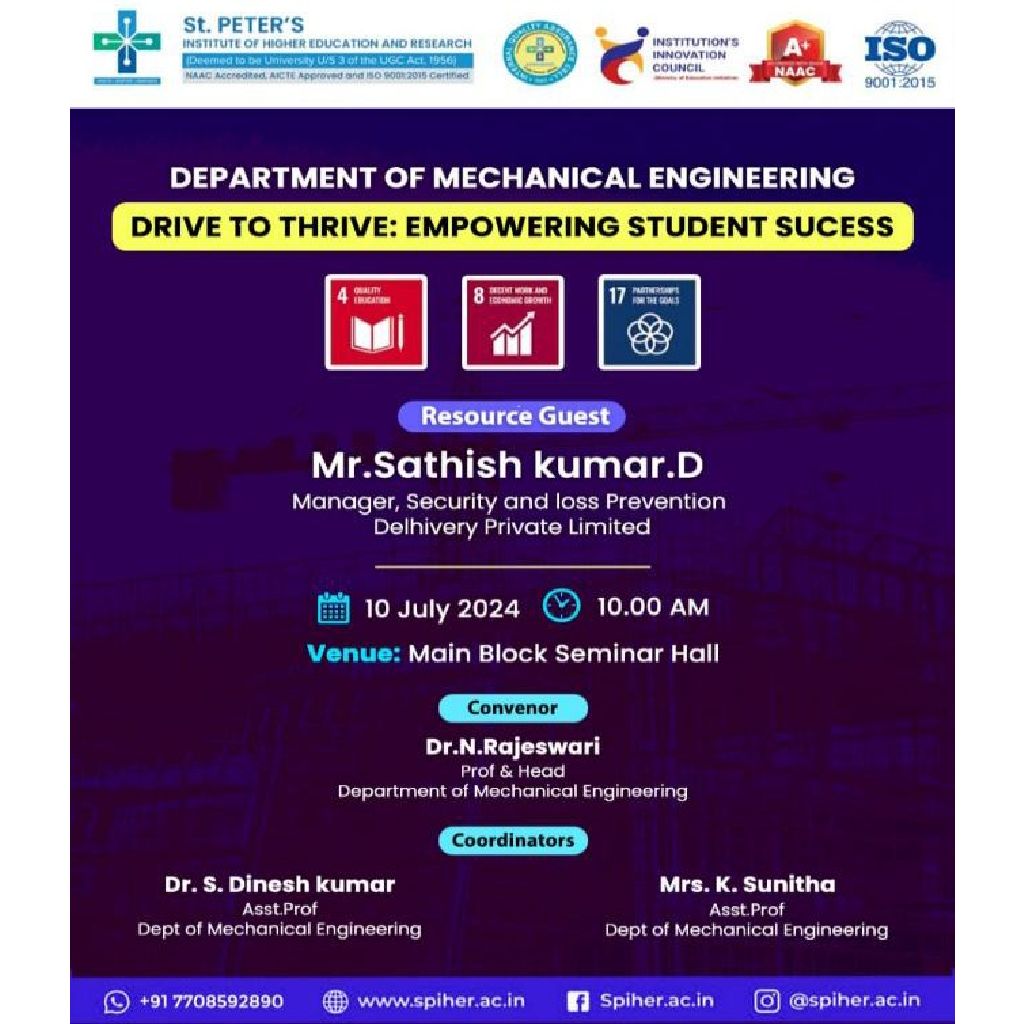
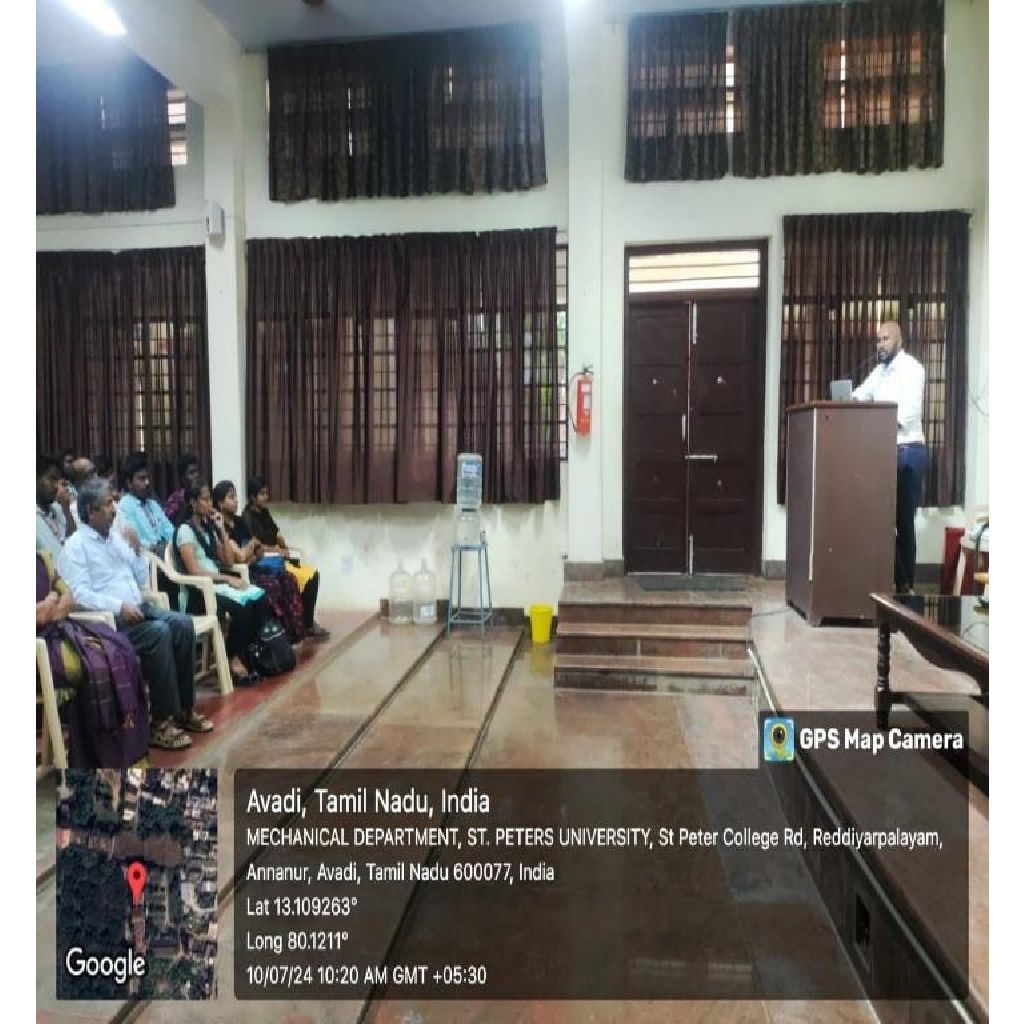
The “Drive to Thrive: Empowering Students Success” event was held on the 10th of July, 2024. This initiative was aimed at enhancing the academic and personal growth of students through a series of motivational talks and resourceful sessions.

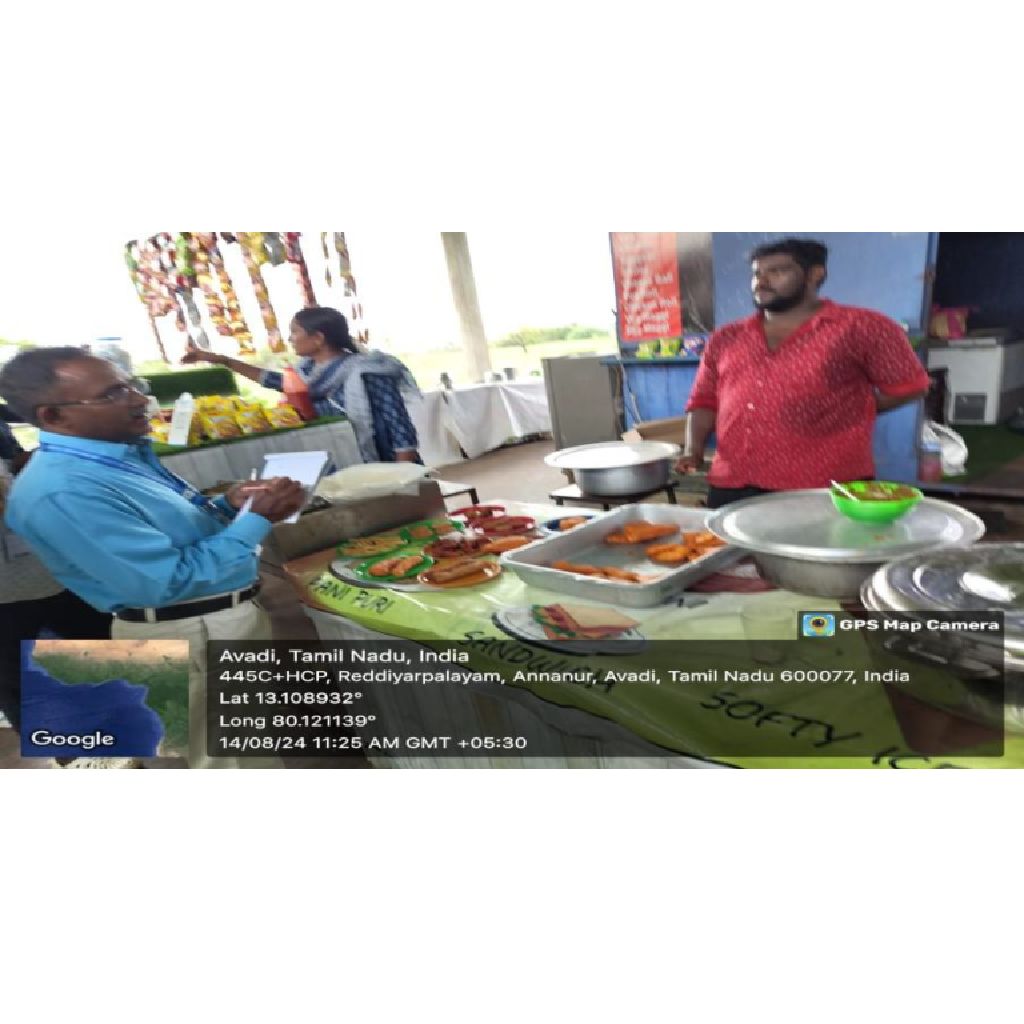
FOOD SAFETY MONITORING IN CANTEENS
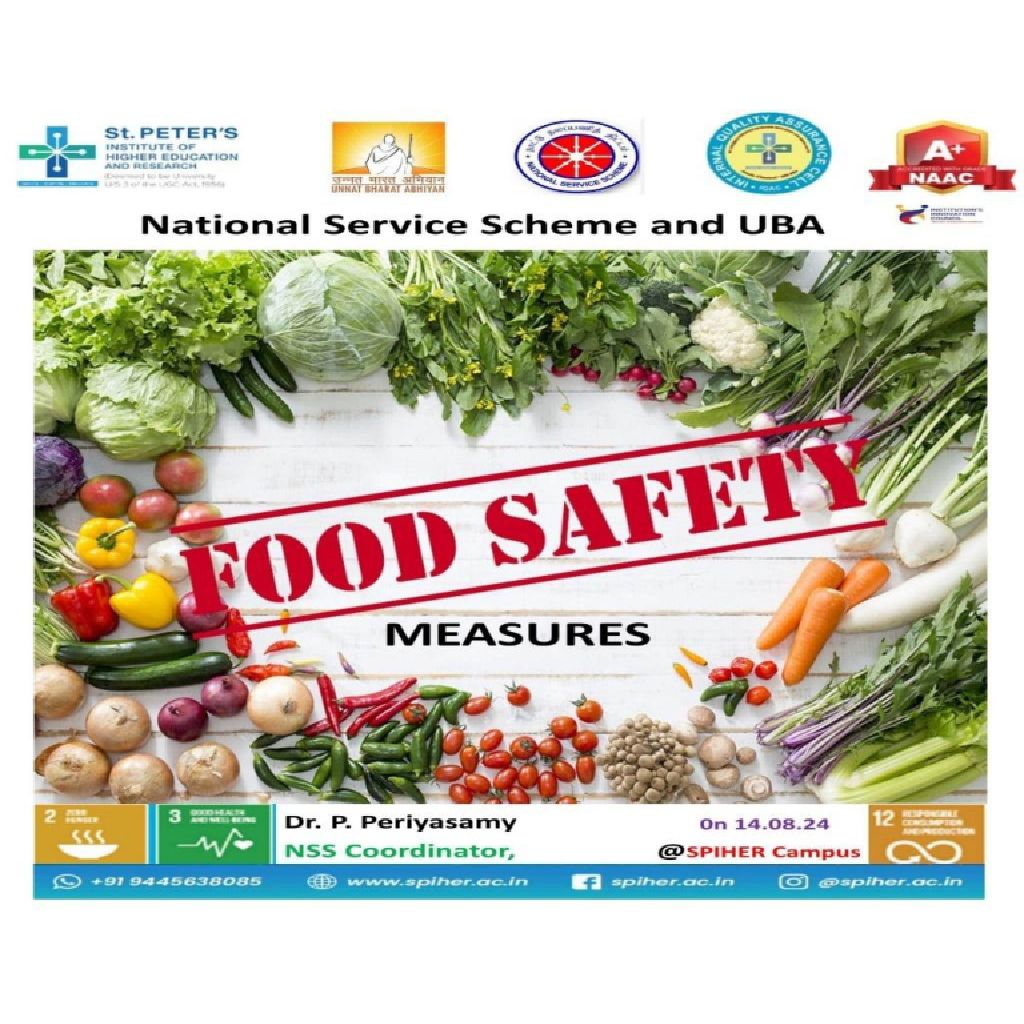
Programmes or initiatives to assist students who fall into the bottom 20% of household income group
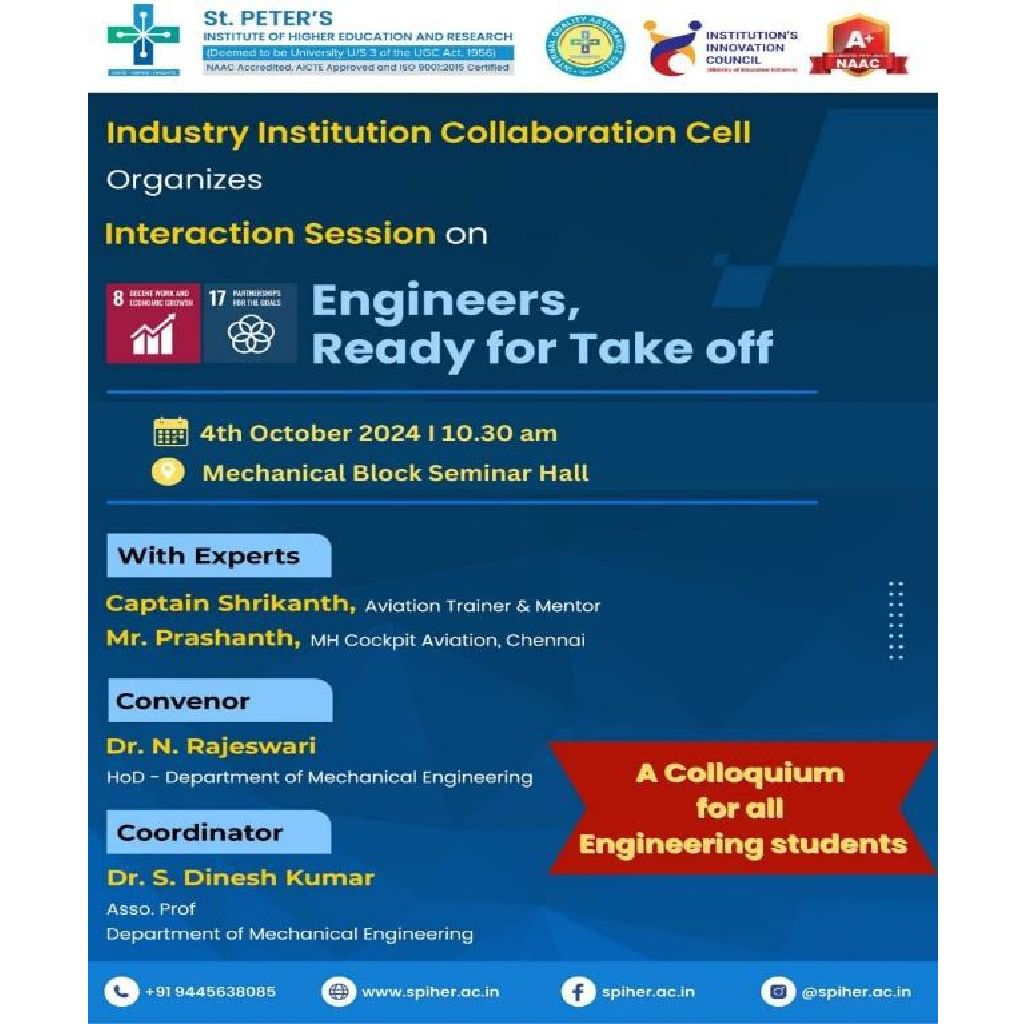
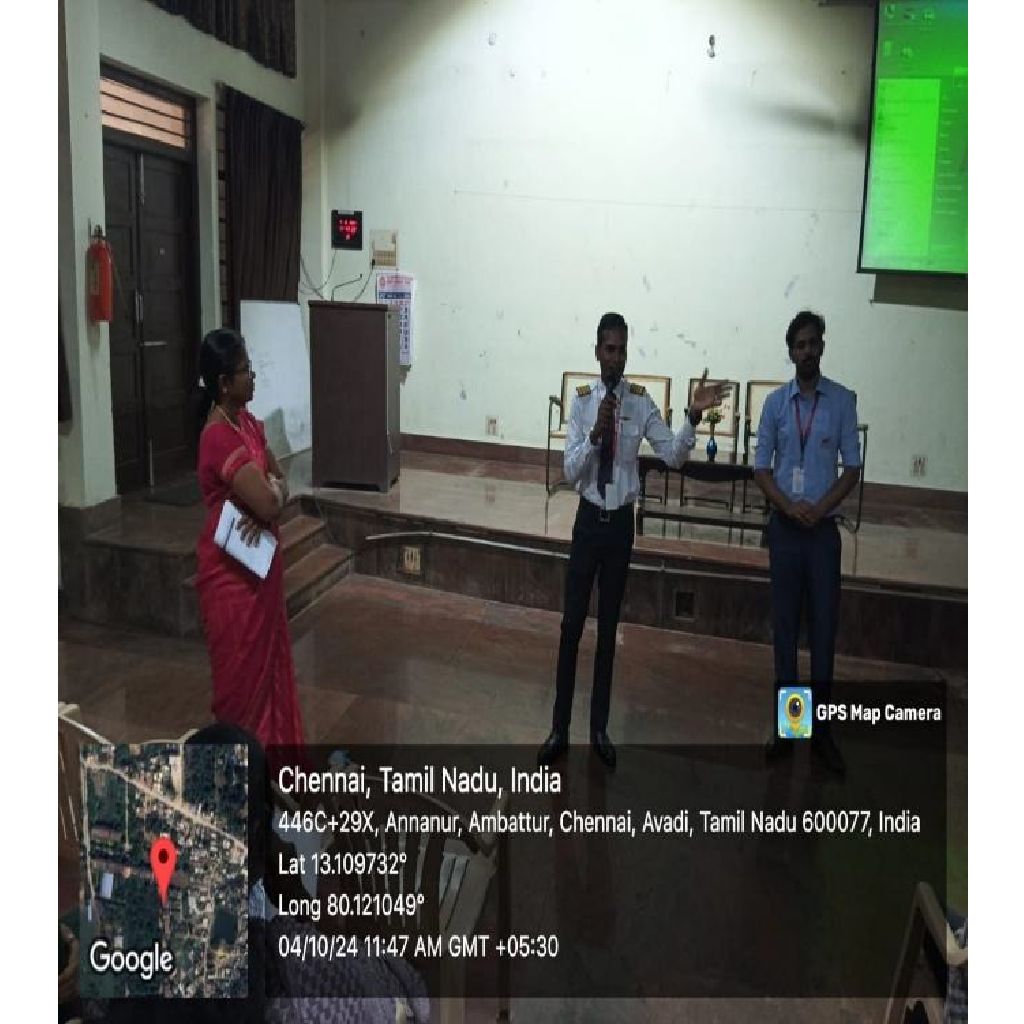
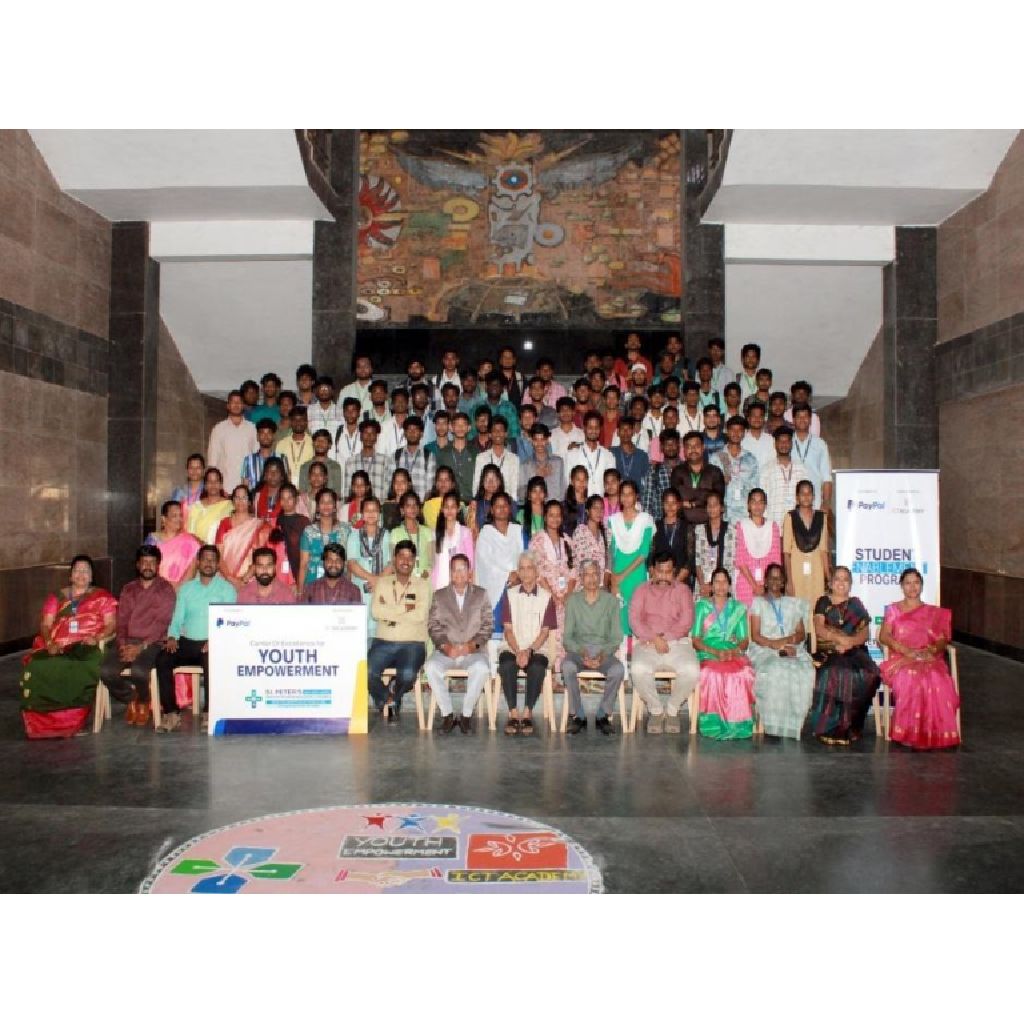
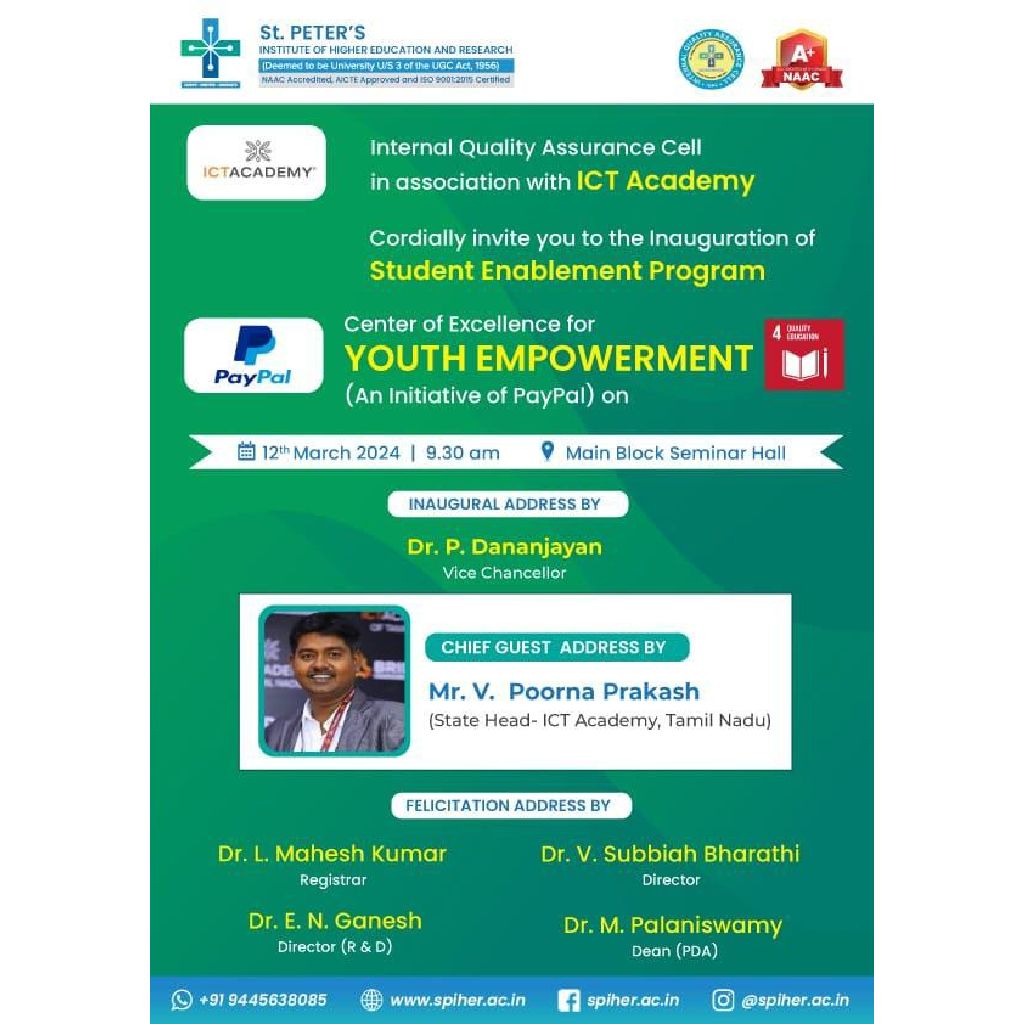
TRAINING PROGRAMS ORGANIZED TO IMPROVE BASIC SERVICES FOR ALL IN THE YEAR 2024